
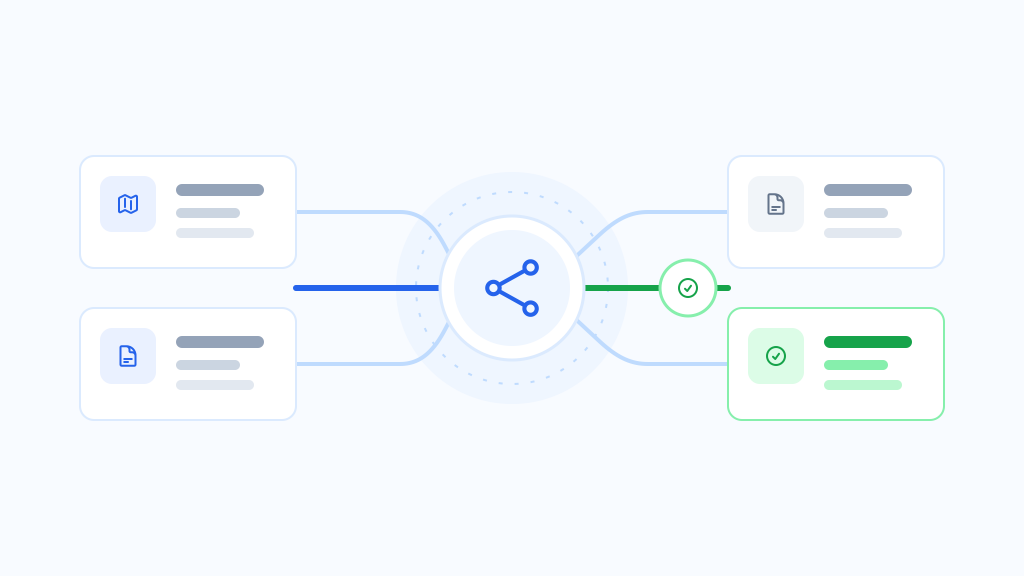


A gradual WordPress theme migration moves defined sections to a destination theme while the current theme remains the fallback. Instead of treating launch as one irreversible moment, the team works through a sequence of small, observable routing decisions.
Why all-at-once migrations fail
Staging reduces risk, but it rarely reproduces every production condition: current content, cache layers, logged-in states, redirects, third-party scripts, real plugin configuration, and editorial edge cases. A global theme activation exposes every missed assumption at once.
Run the migration one route at a time
ThemeRouter supports page, post type, and taxonomy assignments, private preview, draft and pause controls, active-theme fallback, Menu Sync, and routing activity for staged WordPress theme migrations.
Define the migration unit
The safest unit is the smallest route that still tests something meaningful. That may be one page, one custom post type, a blog archive family, or a taxonomy. Avoid starting with a route that controls revenue or authentication.
| Risk level | Good first candidates | Move later |
|---|---|---|
| Lower | A campaign page, case study, or internal resource | Home page |
| Medium | Blog posts or a content archive | Site search and high-traffic landing pages |
| Higher | Product templates after extensive testing | Cart, checkout, account, memberships |
Build evidence before assignment
- Preview the destination theme against current content.
- Compare headings, metadata, schema, internal links, and rendered templates.
- Test responsive layouts, keyboard navigation, forms, and interactive states.
- Measure page weight and important performance timings.
- Confirm menus, analytics, consent, and support tools are present.
Use explicit rollout gates
A route should not expand because it “looks fine.” Define who approves design, functionality, SEO, accessibility, performance, and business behavior. Record the previous route state and the exact condition that triggers rollback.
Expand by related content families
After one route is stable, migrate the next route that shares templates and dependencies. This keeps new information relevant. Jumping between unrelated sections makes failures harder to attribute.
Finish the migration
Route-by-route operation is a transition, not the final architecture for every site. Once the destination theme covers the intended experience, consolidate configuration, remove obsolete assignments, verify redirects and analytics, and decide whether the destination theme should become globally active.
Migrate your WordPress theme one route at a time
Use ThemeRouter to preview an installed theme privately, enable selected routes when they are ready, and keep the active theme as the fallback elsewhere. Yearly plans include a 14-day free trial.
Leave a Reply