
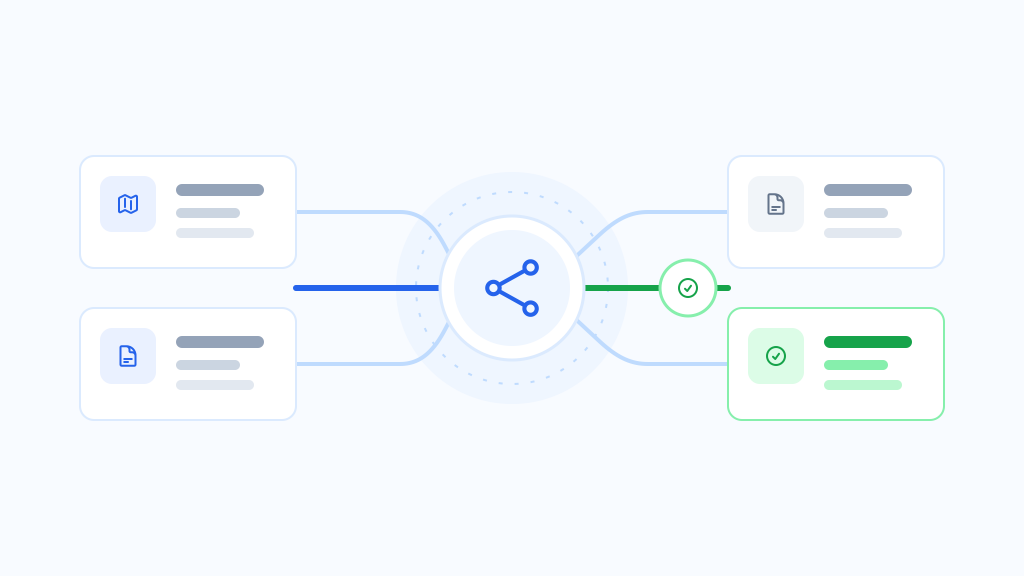
Block theme migration
Adopt Site Editing without replacing every classic template at once.
Introduce a block theme on contained routes, validate templates and editor workflows in stages, and keep the classic active theme available for everything that has not moved.
Classic theme fallback
Template-by-template proof
Gradual Site Editing adoption

A theme architecture change should not force a site-wide launch.
Full block-theme cutover
- Every classic template is replaced together
- Frontend and editor behavior change at the same time
- Existing plugin integrations face one large test window
- Rollback means restoring the complete classic theme
Route-based block-theme adoption
- One template family moves at a time
- Editors and authorized reviewers validate current content
- Teams test plugin compatibility for the routed scope
- Unmatched requests remain on the classic active theme
Block-theme rollout plan
Prove the new architecture in increasingly complex routes.
Start with predictable editorial content before moving archives, commerce, or heavily integrated templates.
1
Choose a contained template
Start with a page type that has clear content and limited integration risk.
2
Validate editor ownership
Confirm patterns, templates, styles, and editor controls work for the content team.
3
Run production traffic
Observe the block theme with real content, caching, plugins, and visitor behavior.
4
Expand template coverage
Move the next route when frontend and editorial acceptance criteria pass.
Suggested sequence
Move from predictable templates to integrated workflows.
Each route adds enough complexity to test the block-theme system without making the next step irreversible.
/landing/*Contained pages with predictable composition
Start here
/case-studies/*Post type, archive, and taxonomy coverage
Next
Complex integrationsCurrent Classic Theme until validated
Later
Validate both sides of the block-theme transition
Frontend fidelity
Templates, responsive states, forms, and plugin output render correctly on real content.
Editor workflow
Patterns, locking, global styles, and template ownership remain clear for authors.
Integration behavior
Caching, SEO, forms, analytics, and dynamic plugin surfaces behave under the new theme.
Block-theme migration questions
Yes. ThemeRouter can serve the block theme to selected routes while unmatched requests continue through the classic theme.
No. The editor workflow and frontend route both need validation before expanding the block-theme scope.
Disable the affected route while you resolve the compatibility issue. The classic theme remains available as fallback.