

You can work toward a WordPress redesign without taking the existing site offline by separating development from public rollout. Build and test the destination experience first, then release it through a controlled launch or a series of smaller theme assignments.
No plugin can guarantee zero downtime. Hosting failures, incompatible code, deployment mistakes, and database changes can still interrupt service. The practical goal is to reduce the size of each change and make recovery straightforward.
Define what must keep working
Availability means more than returning a page. A store must accept orders, a membership site must handle sign-in, and a service business must receive enquiries. List those journeys before deciding how the redesign will launch.
Capture a baseline for representative URLs: status codes, forms, navigation, metadata, performance, and relevant analytics events. Choose explicit stop conditions, such as a broken enquiry form or missing payment option. Assign a person who can pause the release without waiting for a long approval chain.
Develop away from live traffic
Use staging for theme development and integration testing. Protect the environment from public discovery, use appropriate test credentials, and control email and third-party integrations. A copied database can still contain production settings, so a staging URL alone does not make every action harmless.
Decide which changes will be deployed: theme files, configuration, templates, content, and plugin changes. Avoid replacing a changing production database with an older staging copy. Orders, users, and new content need an explicit preservation strategy.
Keep unrelated plugin upgrades and infrastructure changes out of the redesign release where practical. Fewer simultaneous changes make failures easier to diagnose.
Choose between one launch and staged theme routing
A small site with a complete destination theme may be best served by a conventional deployment and site-wide activation. Rehearse that process and keep a verified recovery path.
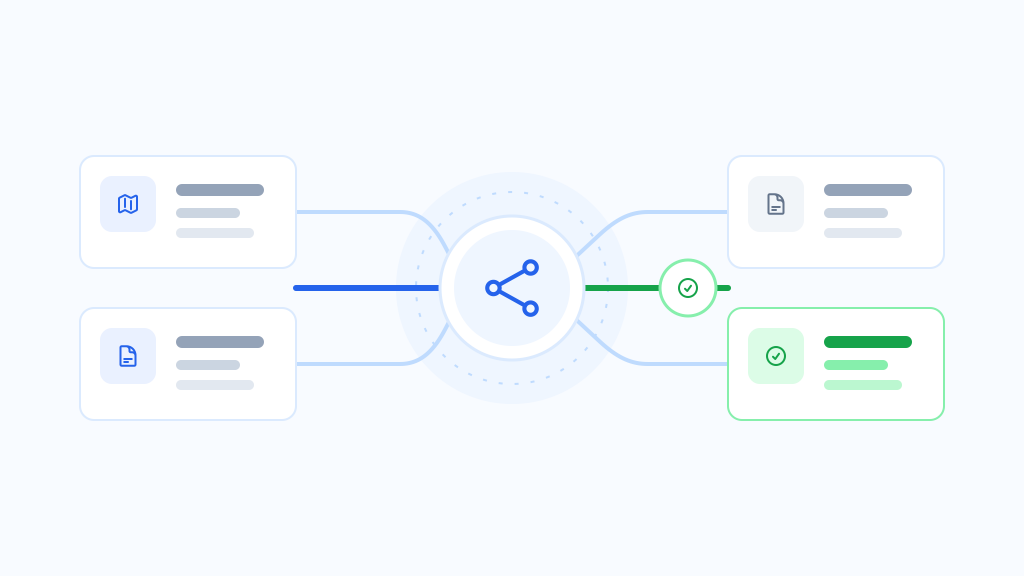
For a larger site, ThemeRouter can assign the destination theme to selected pages, post types, or taxonomies while unmatched requests stay on the active theme. This lets the team release a ready section without waiting for every other section.
The tradeoff is a temporary mixed-theme experience. Headers, navigation, styles, and integrations need deliberate coordination. Routing also does not isolate database writes or turn unfinished theme code into production-ready code.
Rehearse a complete release on staging
Choose a representative content family and record its expected theme before and after the change. Test enabling and pausing the assignment, then check both matched and unmatched URLs. Include caches in the rehearsal rather than assuming that saving a setting changes every visitor’s response immediately.
Review journeys that cross sections: an article linking to a contact page, a product linking to cart, or a navigation menu linking to a legacy page. A section can look correct alone and still create a confusing visitor journey.
Use the theme migration checklist as a starting point, then add checks specific to your site’s integrations.
Roll out while someone can respond
Choose a release window with the people and access needed to investigate problems. Enable only the reviewed scope. Clear the appropriate caches, verify logged-out requests, and check the conversion path.
Monitor application errors and business functions as well as the homepage. Compare analytics cautiously: a short window with few visits cannot establish whether a redesign improved conversion. Immediate functional failures, however, justify stopping the rollout.
If a route fails, pause it and verify the fallback. Do not assume reverting routing also restores edited content or reverses a transaction. Follow the separate recovery steps for those changes.
Finish the transition
A phased redesign needs an end condition. Track remaining routes, retire temporary exceptions after validation, and decide when the destination theme can become the normal active theme.
Keep a release record showing what changed, who verified it, and what remains. The gradual migration guide explains how smaller releases fit together. For a store, use WooCommerce’s staging-based order testing guidance before changing purchase flows.
Release the section that is ready
ThemeRouter gives you private preview and selective theme assignments so you can plan a smaller public rollout while continuing to use staging. Yearly plans include a 14-day free trial. Choose a plan and confirm the current terms before starting.
Leave a Reply