
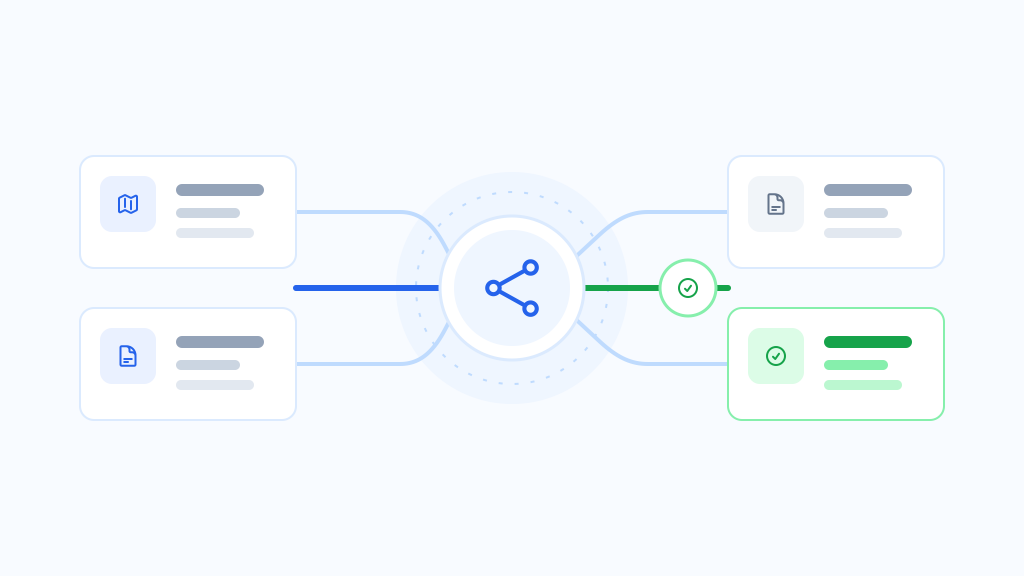
A gradual migration keeps the current theme as the default while selected content moves to the destination theme. The goal is not to run two themes forever; it is to reduce the risk of an all-at-once activation.
1. Inventory the site
- List pages, post types, taxonomy archives, search, 404, account, and transactional URLs.
- Identify theme-owned templates, menus, widgets, patterns, and Customizer settings.
- Mark high-risk routes such as checkout, account, lead forms, and high-traffic landing pages.
- Record analytics, SEO, performance, and conversion baselines.
2. Choose the first route
Start with a representative but low-risk page or content type. It should exercise the destination theme without exposing a large share of the site to a new template system.
3. Define validation gates
- Functional behavior and plugin integrations pass.
- Mobile and desktop layouts meet accessibility expectations.
- Canonical URLs, metadata, schema, and internal links remain correct.
- Performance stays within the team threshold.
- A named owner can remove the route quickly.
4. Expand deliberately
Move the next related section only after the current route is stable. Record each assignment, approval, metric check, and rollback decision so the team can explain the live state.
Use the detailed migration checklist
Turn the plan into pre-launch, rollout, and post-launch checks.