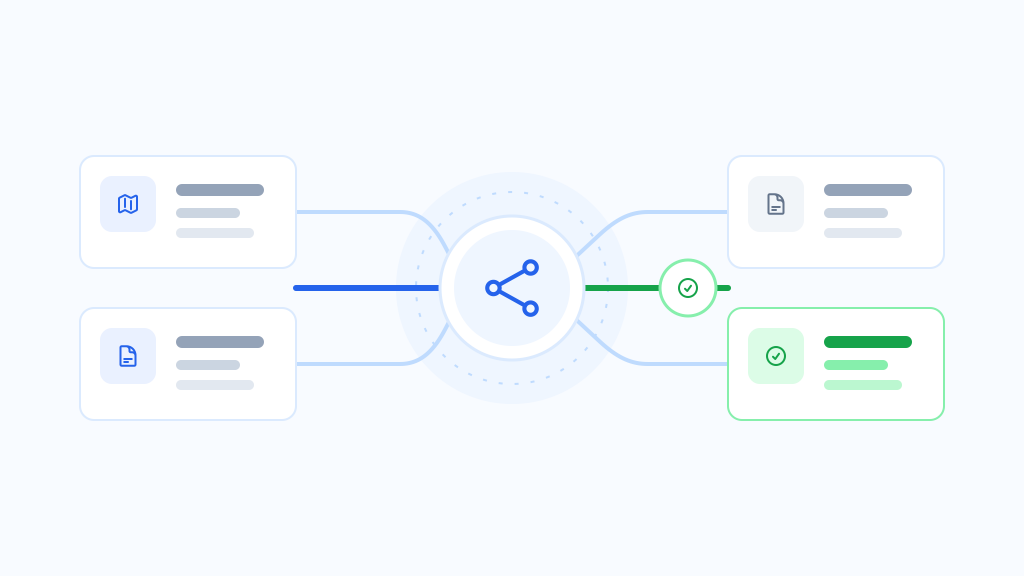


Two themes can serve different requests on one WordPress site through selective routing. That does not mean merging two complete themes into the same page. The routing decision chooses the theme context for the requested content, while the site’s normal active theme remains the fallback.
This distinction matters when you are evaluating a redesign. If you need a new layout, a template may be enough. If you need one section to use a destination theme while another stays on the current theme, routing is the more relevant approach.
Installed, active, and routed mean different things
Installing several themes makes their files available. It does not make all of them responsible for the frontend. Normal site-wide activation selects the theme the site uses by default.
A routing plugin changes the choice for matching requests. With ThemeRouter, selected content can use another installed theme and unmatched requests continue through the active theme. You still need a clear rule for which theme should handle each route.
A child theme is a separate concept. It extends a parent theme and depends on that parent; it is not two independent designs being combined at runtime. WordPress explains that relationship in its child theme documentation.
Do not expect headers from one theme and bodies from another
Selective routing is not a component mixer. If you want the header from your existing theme on a page rendered by the destination theme, plan how that header will be implemented in the destination system.
The same applies to menus, widgets, template parts, fonts, and theme-owned functionality. Different themes may expose different configuration models. A theme that looks finished in its demo may need substantial setup against your actual site content.
For this reason, inspect the destination templates before routing public traffic. Keep essential business logic in a suitable plugin where appropriate rather than relying on code that only exists in one presentation layer.
One database does not mean isolated environments
Routed pages still belong to the same WordPress installation. Plugins, content, users, and relevant database state are shared. A form submission or content edit is not isolated simply because its page uses a different theme.
Staging remains useful for development and destructive testing. Private preview is a way to inspect a theme as an authorized user; it is not a separate copy of the database.
For example, a publisher could route a resources post type to a new theme while its services pages remain on the old one. Editors still work with the site’s shared content. The team must check both editor behavior and the frontend presentation.
Multisite solves a different problem
WordPress multisite organizes multiple sites within a network. It is relevant when you need separate sites and administration boundaries, rather than two presentation systems for selected content within one site.
Do not introduce a network solely because a few pages need a redesign. Compare the management, URL, content, and deployment requirements first. Likewise, theme routing should not be treated as a replacement for genuine site separation.
Cache and route boundaries need explicit tests
Check matched and unmatched URLs while logged out after every assignment change. Cached HTML may otherwise hide the new route behavior. Keep private previews out of publicly shared cache responses.
Test journeys that cross themes, including menus, forms, account links, and analytics. Styling differences are visible, but missing events or broken integrations may be less obvious.
ThemeRouter provides route controls and fallback behavior. It does not automatically certify compatibility between themes, split traffic by percentage, or judge whether business metrics are healthy.
Choose the smallest architecture that meets the requirement
Use a template when one theme can deliver the needed layouts. Use staged routing when ready sections need another theme before the whole site is ready. Consider separate sites only when the operational requirements justify them.
If you decide routing fits, follow the multiple-theme implementation guide for the rollout sequence. That guide covers the practical checks after you have made the architecture decision.
Evaluate selective routing on your site
See how ThemeRouter assigns an installed theme to selected content while keeping unmatched requests on the active theme. Yearly plans include a 14-day free trial. Choose a plan and confirm the current terms before starting.
Leave a Reply