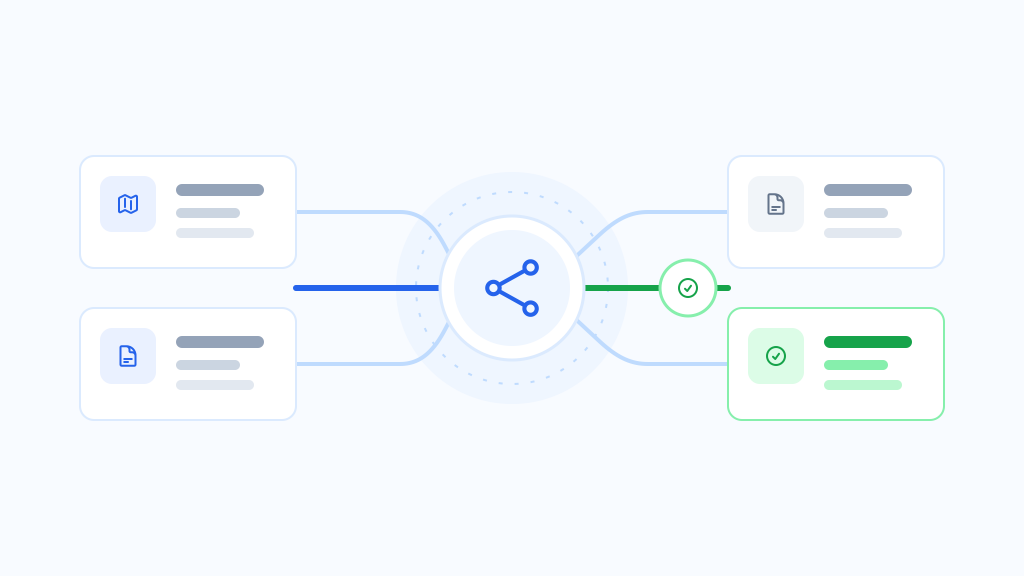


WordPress normally has one globally active theme. A multiple-theme setup changes that decision per request, so a specific page, post type, or taxonomy archive can use another installed theme while the rest of the site keeps the current one.
This is useful for gradual redesigns and clearly separated content experiences, but it introduces operational work. The safe approach is to define exact route ownership, validate theme compatibility, and keep a rollback path for every assignment.
What using multiple themes actually means
A well-implemented router chooses one theme before WordPress renders the request. It should not combine two themes on the same page or swap a rendered page with client-side JavaScript. Each URL receives one coherent template hierarchy and asset set.
| Approach | Best for | Main limitation |
|---|---|---|
| Staging and global activation | Small sites with a short migration window | Everything changes at once |
| Private theme preview | Design review against current content | Not a public rollout |
| Request-based theme routing | Large or business-critical migrations | Requires route ownership and compatibility testing |
When multiple themes are justified
- A large site cannot safely switch every template in one launch.
- A WooCommerce store needs a controlled product and checkout migration.
- A publisher wants to move one post type or archive family first.
- An agency needs client approval on production content before rollout.
- A classic-to-block-theme project needs a transitional architecture.
The risks to plan for
Theme-owned configuration
Classic menus, widget areas, Customizer settings, block templates, Navigation blocks, Global Styles, and theme options do not share one universal storage model. The destination theme may be installed correctly and still lack the configuration needed for a production route.
SEO and analytics differences
Themes can change headings, schema, breadcrumbs, canonical output, pagination markup, performance, and analytics placement. Compare the rendered output for representative URLs before and after assignment.
Cache variation
Full-page caches and CDNs may continue serving an earlier theme after an assignment changes. Preview Mode also needs private-user behavior that does not leak into anonymous cache entries.
A safe implementation sequence
- Inventory public routes and identify the theme responsible for each final state.
- Install the destination theme without activating it globally.
- Preview representative URLs privately.
- Validate templates, navigation, plugins, SEO, accessibility, and performance.
- Assign one low-risk page or post.
- Purge caches and verify as a logged-out visitor.
- Expand only after the route meets written acceptance criteria.
When not to use multiple themes
A simple brochure site with a complete staging environment may be safer and cheaper to migrate with a conventional global launch. Multiple themes are a migration control mechanism, not a requirement or a substitute for finishing the destination theme.
ThemeRouter supports private preview and persistent assignments for individual content, post types, and taxonomy archives. It does not split traffic by percentage or automatically decide whether business metrics are healthy.
See the workflow in practice
Learn how ThemeRouter separates private preview from persistent route assignment.
If you are deciding between private preview, site-wide activation, and route-based delivery, read the ThemeRouter route-by-route workflow.
Leave a Reply